
Food
Dry Masale
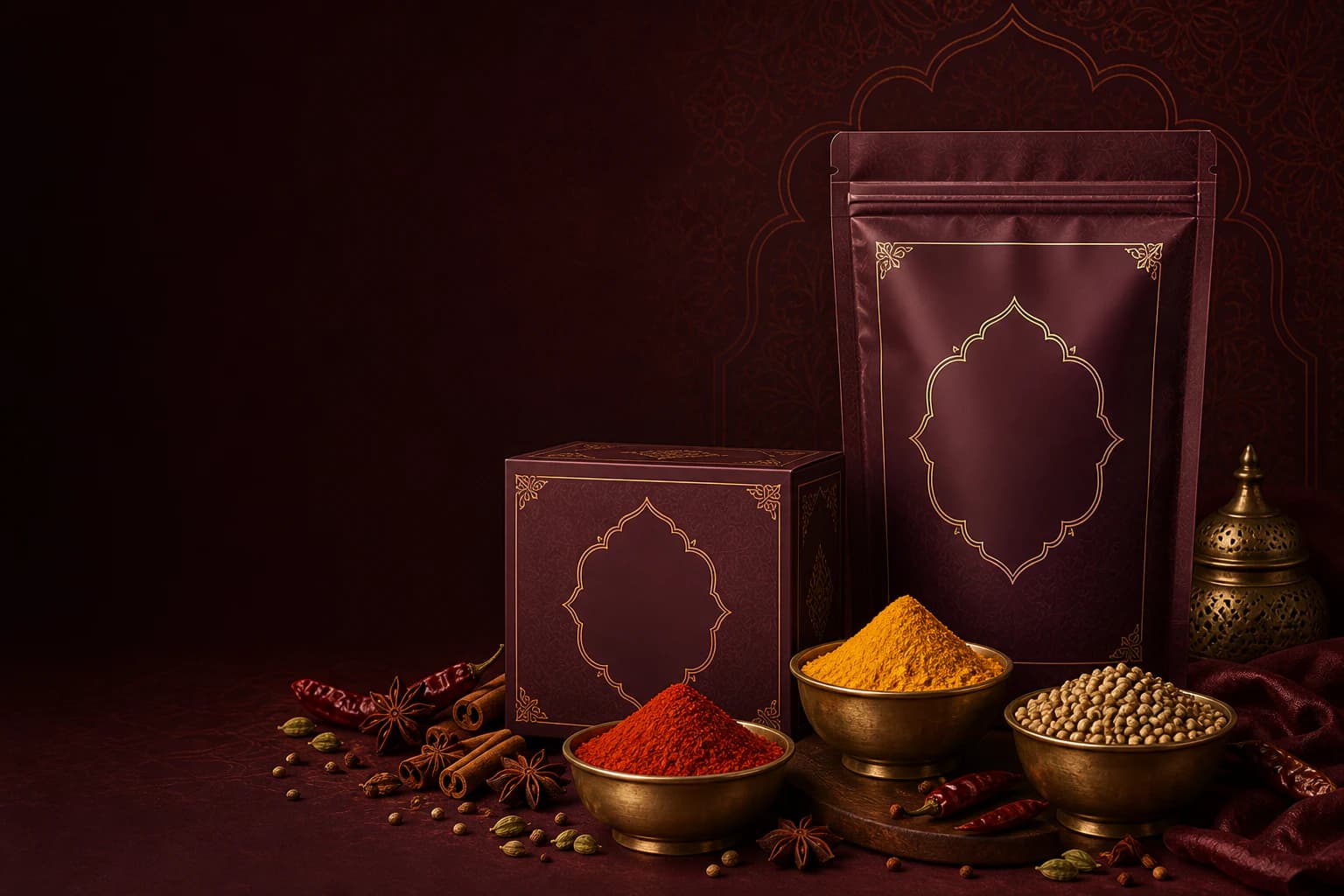
Whole spices ground in small lots so they still smell of something.
Whole spices ground in small lots so they still smell of something. Ground spice starts losing its aroma the moment it is milled — the volatile compounds that make it worth using are exactly the ones that escape — which is why grinding little and often beats grinding a lot and storing it.
What we grind.
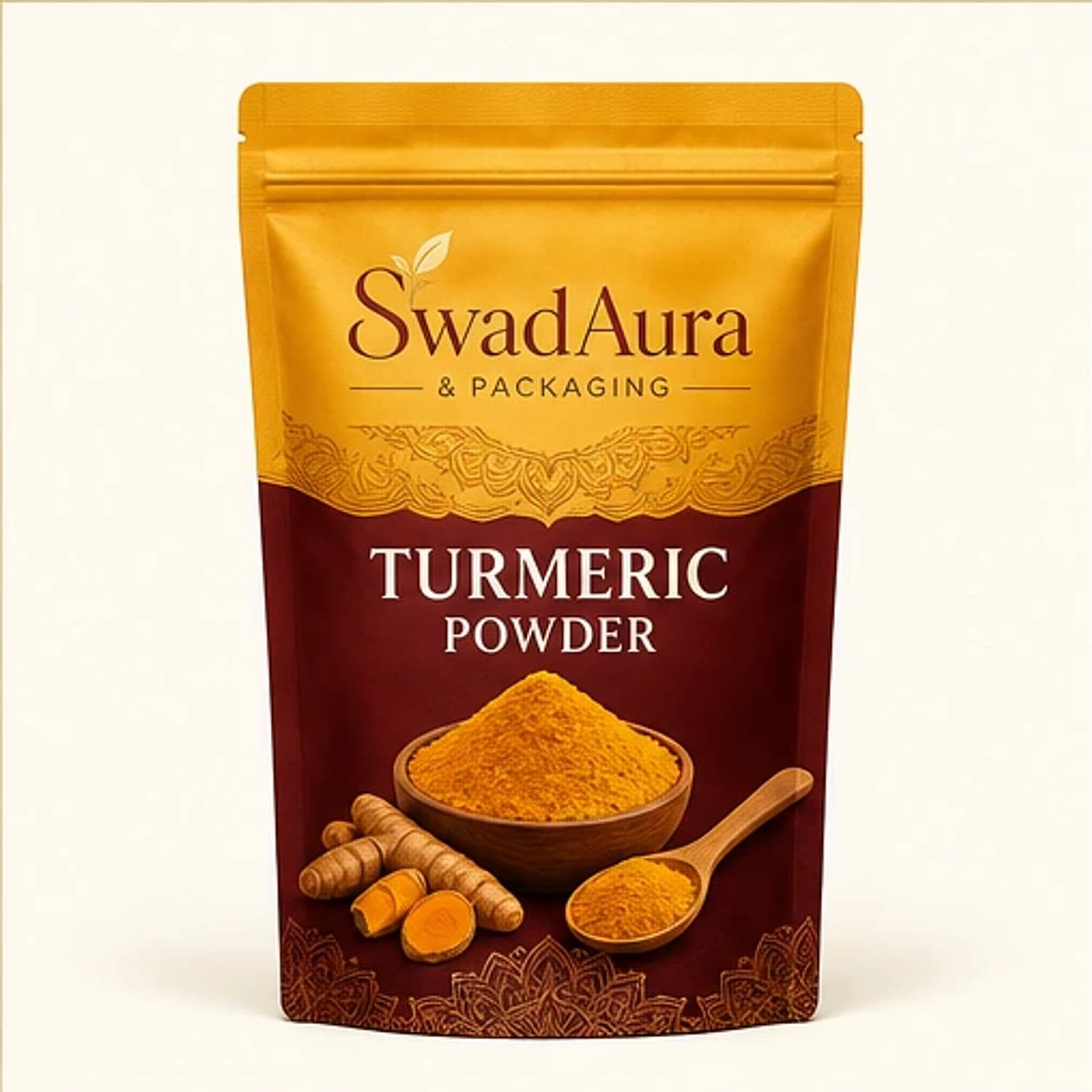
Turmeric (haldi). The first spoon into almost every pan. Used at the start of cooking, in hot oil or with the onions, where the heat opens it up. Added at the end it tastes raw and chalky.
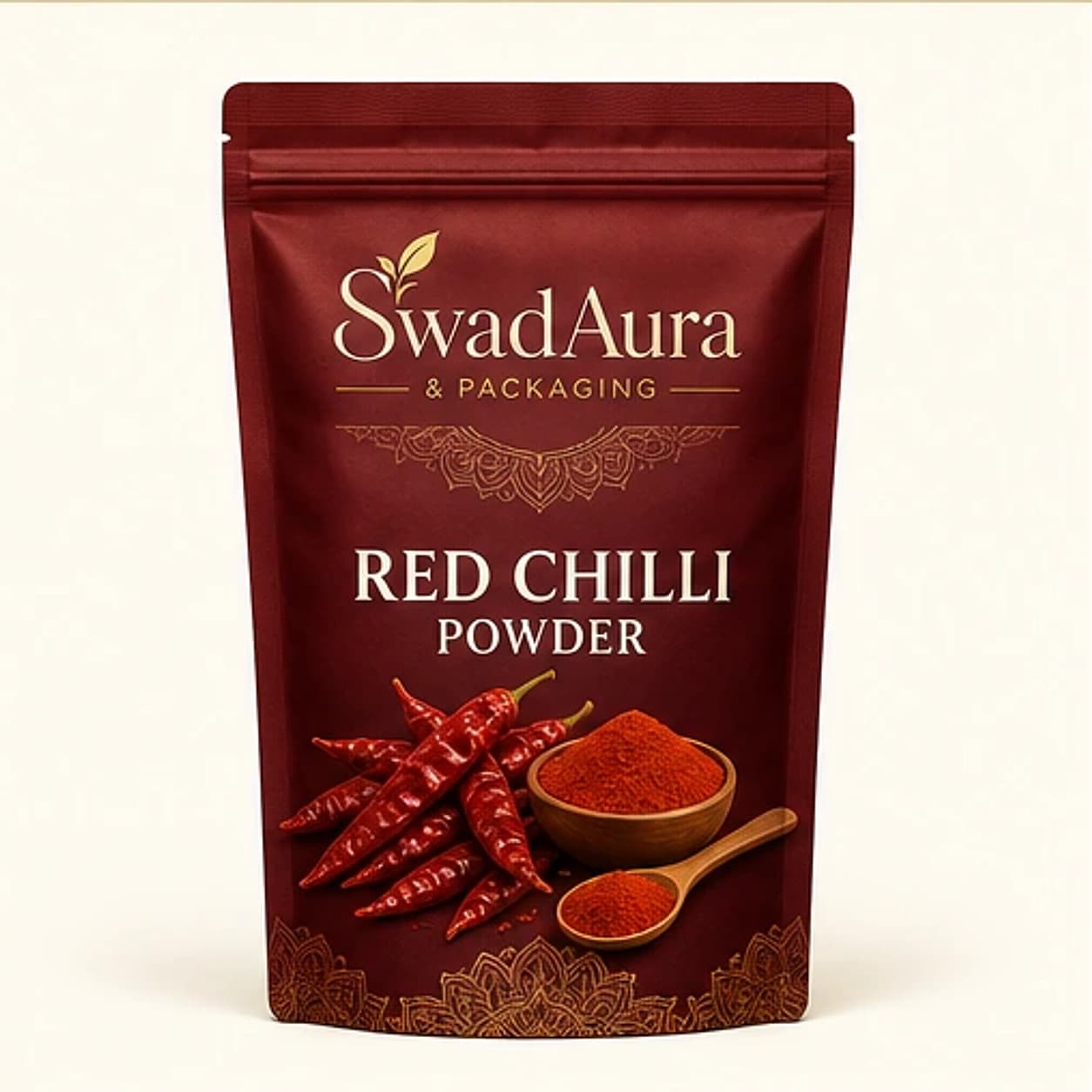
Red chilli (lal mirch). Ground for everyday heat and colour. In most Indian cooking these are two separate jobs and often two separate chillies — one for colour without much heat, one for heat. Add it to oil briefly and it blooms; leave it too long and it burns and turns bitter, which happens faster than most people expect.
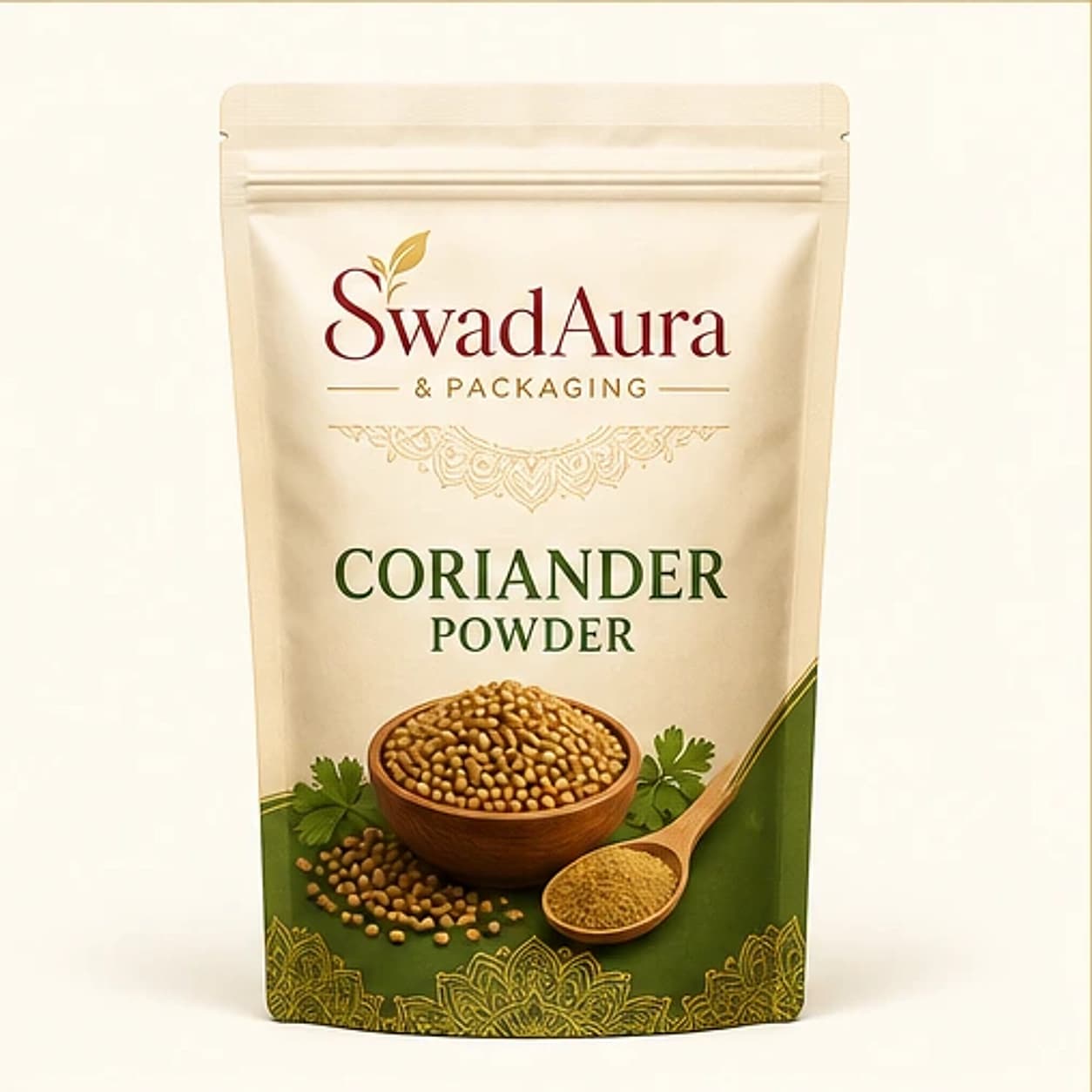
Coriander (dhania). The quiet base of everyday gravies and marinades. Used in larger quantities than the other three and rarely tasted on its own — it thickens and rounds a masala rather than announcing itself. If a gravy tastes sharp and thin, this is usually what is missing.
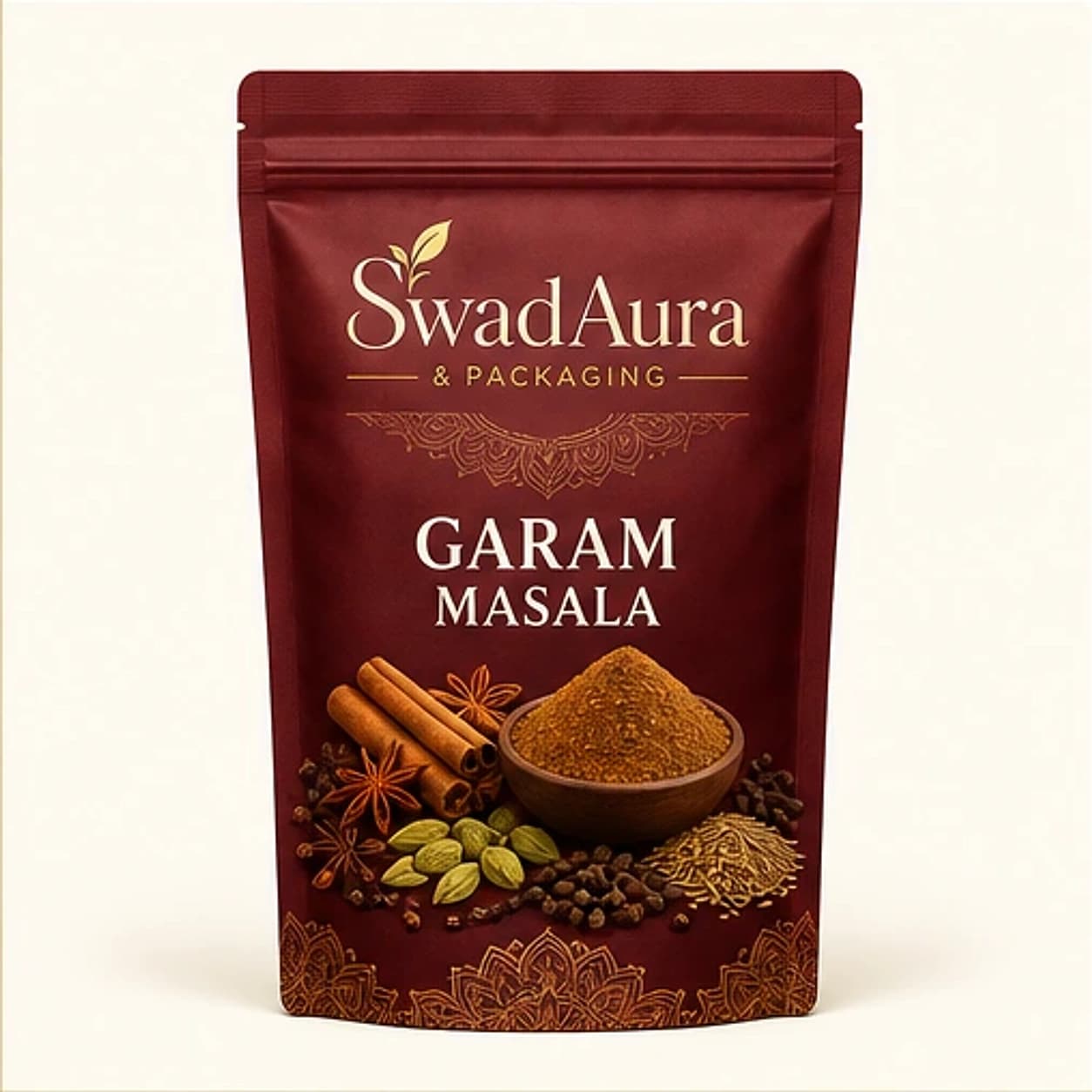
Garam masala. A warm finishing blend for the last minute of a dish. This is the one that does not go in at the start. Garam masala is added at the end, off the heat or nearly so, because the aromatics that make it worth having are driven off by long cooking. A dish that has been simmering with garam masala in it for half an hour tastes of nothing in particular.
Sizes. 100 g and 250 g. Deliberately small. A 100 g pack of ground spice used regularly is finished while it still tastes of something; a kilo bought on offer is usually stale before it is half gone.
Keeping them. Sealed, dark, dry, and away from the heat of the hob. The spice rack directly above the cooker is the worst place in the kitchen for spices, and it is where most people keep them.