
Food
Sweets
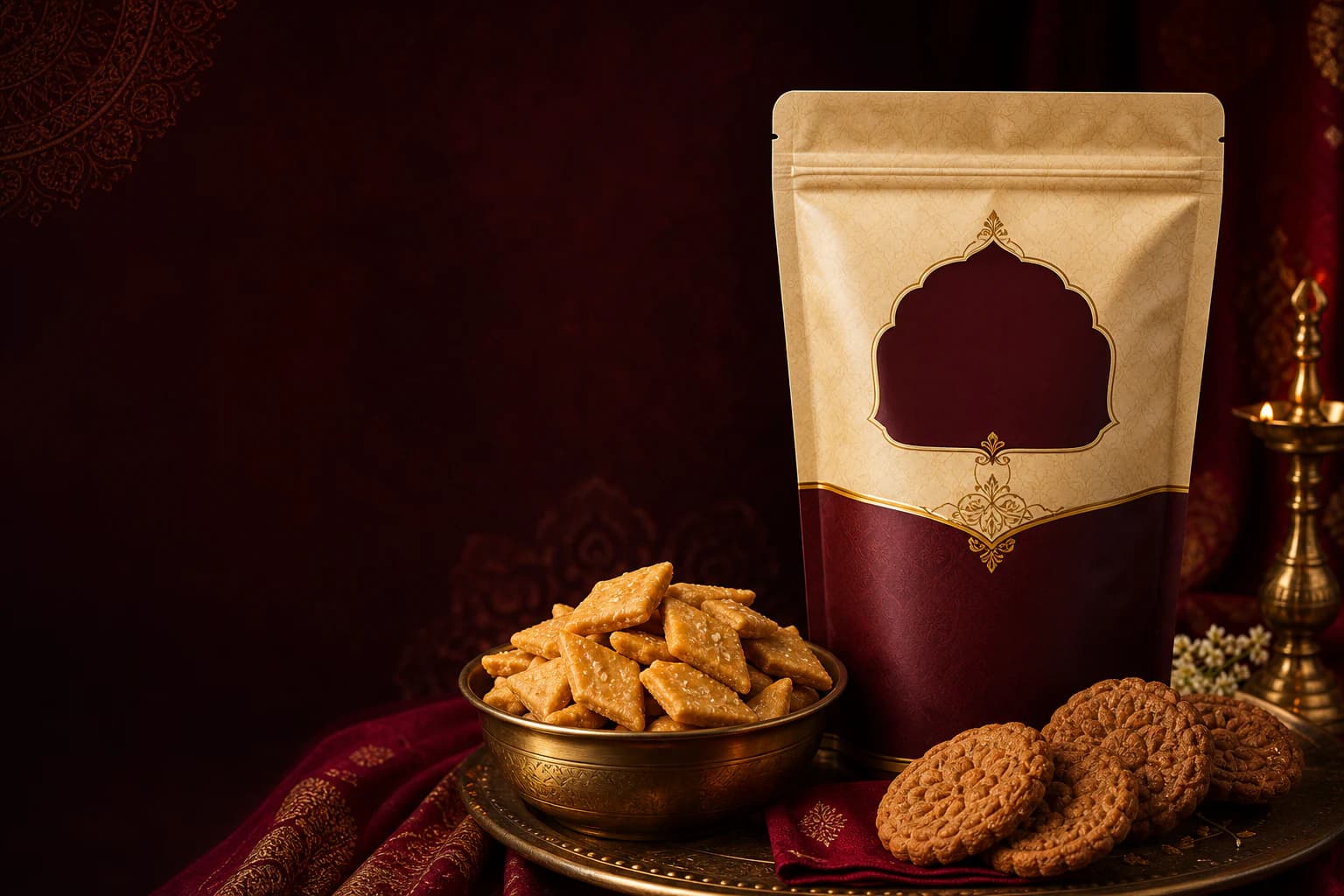
Thekua and Shakkar Para (Khurma) — traditional Indian sweets made in small batches.
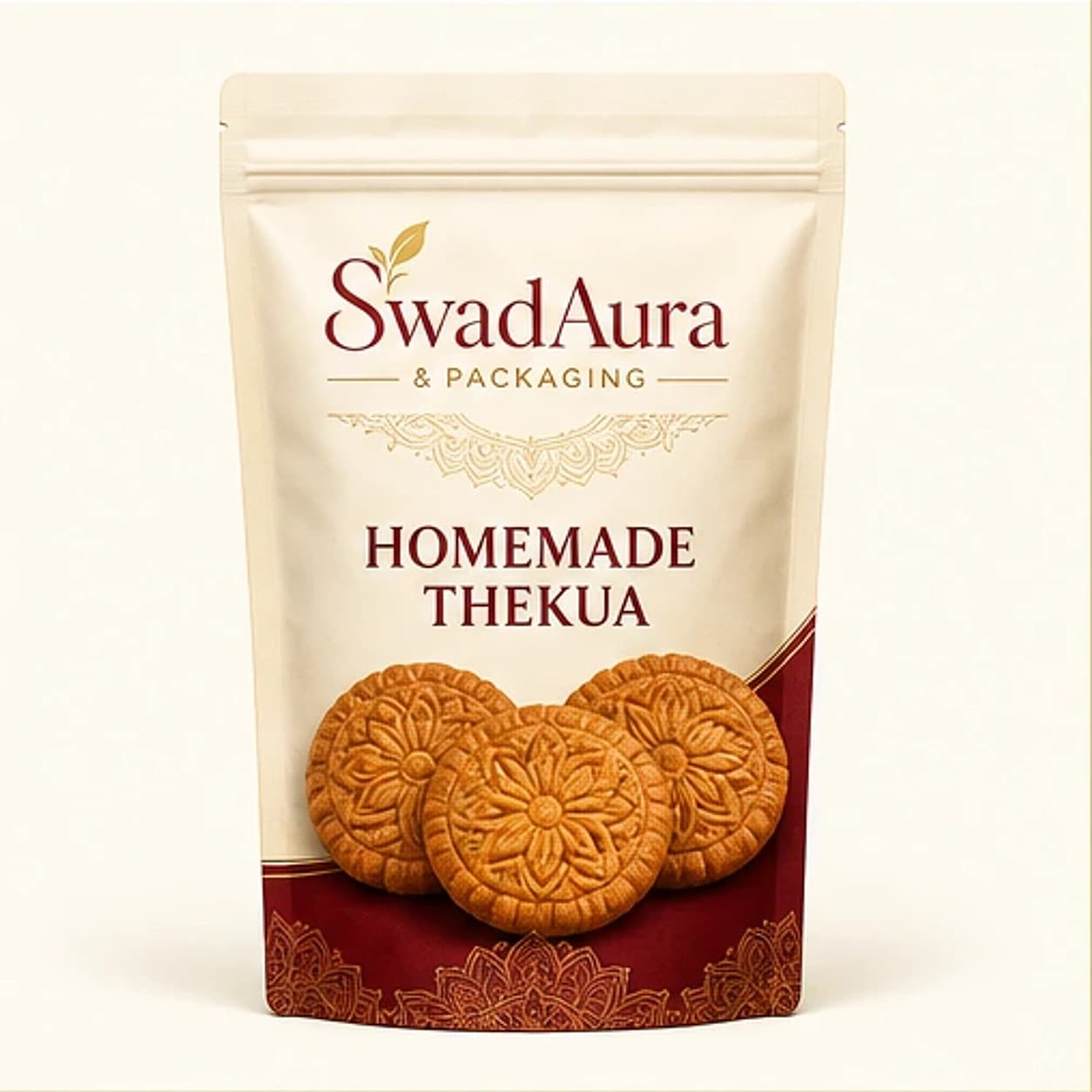
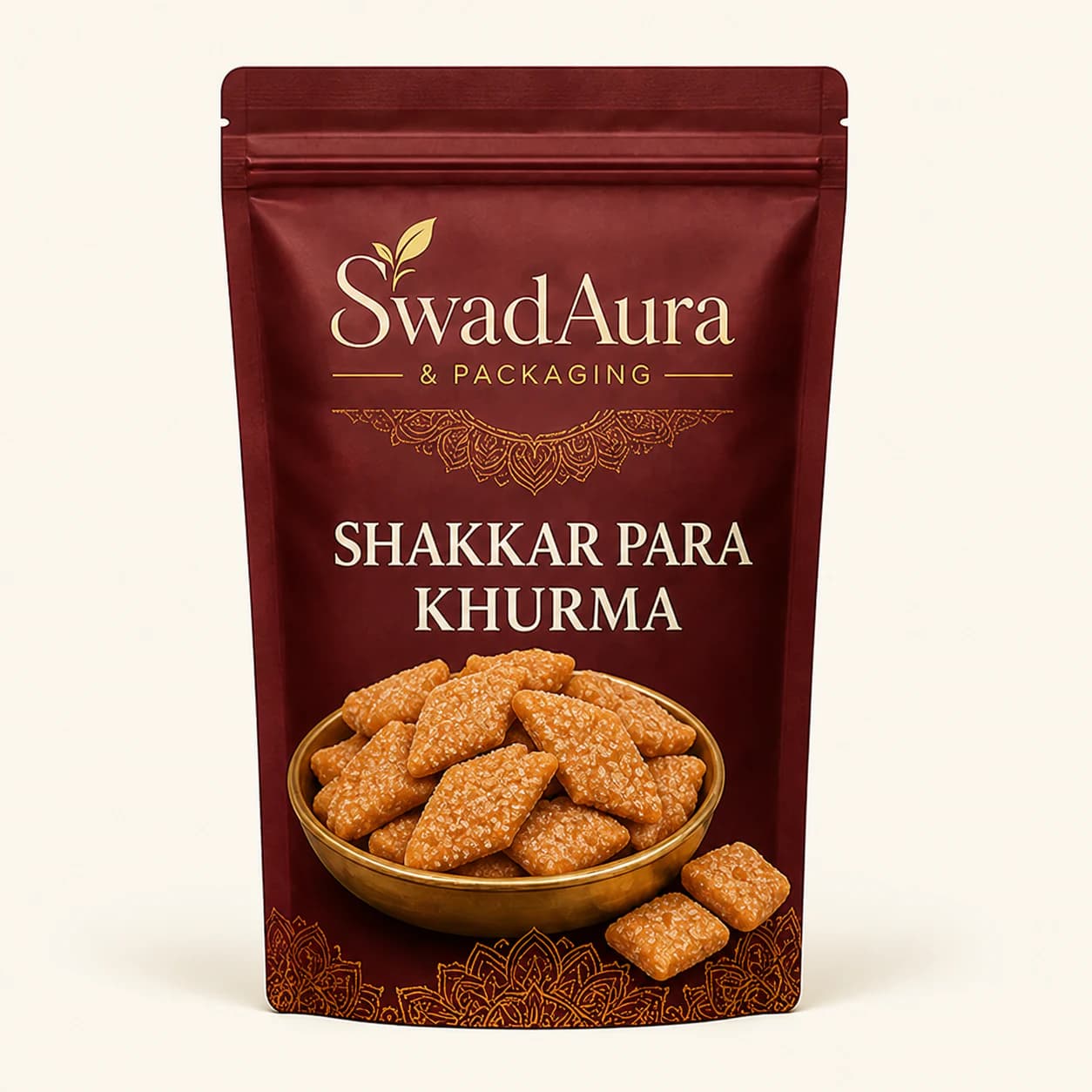
Two sweets from the same tradition, both fried, both keeping well, both made in small batches rather than continuously.
Homemade Thekua. The Bihari wheat-and-jaggery sweet, pressed by hand and fried in small batches. Thekua is made for Chhath, and for most families it is the taste of that festival specifically — wheat flour and jaggery worked into a stiff dough, pressed into a patterned mould, and fried until it is hard rather than soft. It is meant to be dense and to keep. Eaten with tea, broken rather than bitten.
Shakkar Para, also called Khurma. Sugar-glazed diamond crisps — the sweet half of the tin whose savoury half is nimki. Dough rolled thin, cut into diamonds, fried, then turned through a sugar syrup that sets into a thin white glaze as it cools. Crisp, not chewy, and sweet in a plain and old-fashioned way.
Why the two travel together. In a great many households these are made in the same week, from adjacent doughs, and put out in the same tin for guests. Shakkar Para and namak para are the standard pair — one sugared, one salted — and thekua sits alongside them at festival time.
Sizes. Both in 250 g and 500 g. The 250 g is a tin's worth for a household; the 500 g is what people order when they are sending some on.
Keeping them. Both are fried and dry, which is what makes them keep — there is very little moisture left for anything to go wrong in. The enemy is humidity, not time: an open pack in a damp kitchen goes soft and loses the snap that is the whole point of it. Reseal the pack after opening and keep it somewhere dry.
Small batches. These are fried in small lots rather than run continuously, so there is natural variation in colour and in how deeply each piece is fried. That is what hand-made food looks like.